Skip to content
  • ACCESS TO PROFESSIONALS

    • English
      • Español
  • Uganda
  • Rwanda
  • Tours
  • Muafrika
  • Agencies
  • About us
  • Contact
  • Kidepo Valley National Park

    Kidepo Valley National Park

    Kidepo Valley National Park, situated on the border with South Sudan and Kenya, is one of the country’s most isolated and pristine landscapes. This territory, the ancestral home of the Karamojong, has been a national park since 1962.
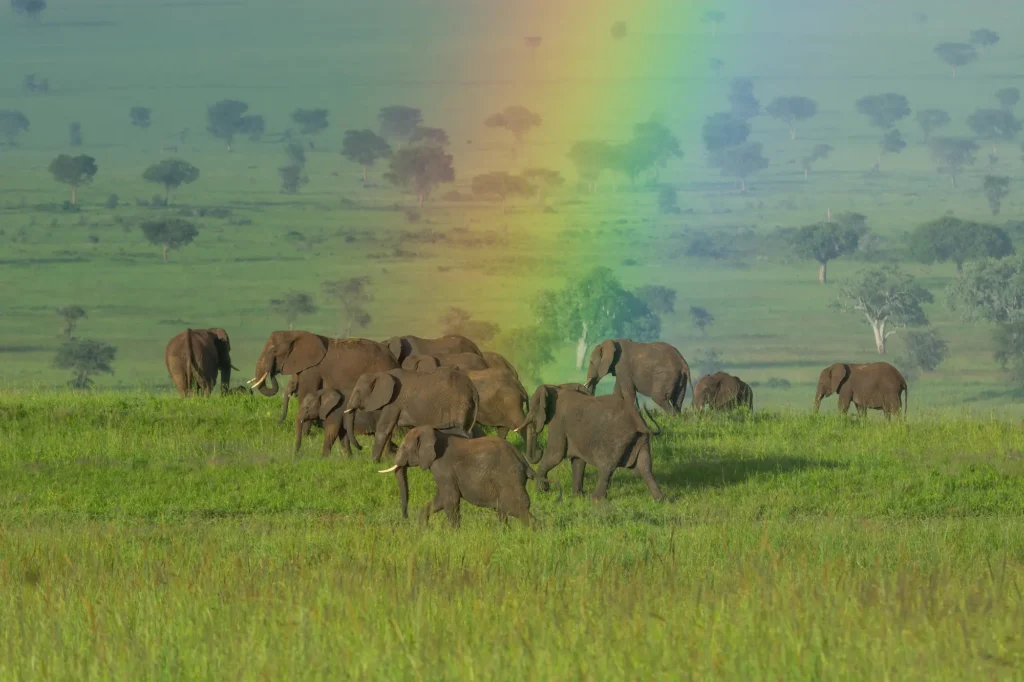
    Traversed by the Kidepo and Narus rivers, this natural sanctuary harbours a remarkable diversity of wildlife, with over 80 mammal species and 400 bird species, making it one of the most biodiverse areas in the region.

    Twenty-eight of the mammal species found in the park are native to the area. The landscape consists of vast plains dotted with gently rolling hills, where the vegetation of grasslands and savannahs stretches out to the horizon.

    During safaris in search of wildlife, it is possible to spot lions, leopards, cheetahs, zebras, kudus, elephants, giraffes, jackals, gazelles, buffaloes, oryx, elands, antelopes, hyenas, reedbucks, Ugandan kobs, waterbucks, and crocodiles, among others.

    The best time to visit the park is during the dry season, from December to March. During this time, the animals gather around water sources and vegetation. During the wet season, the park is adorned with lush greenery, ideal for observing migratory birds.

    In addition to the exceptional wildlife experience, Kidepo Valley National Park offers a fascinating route for cultural immersion. In the Karamoja area, settlements of various Karamojong clans, such as Dodoth, Jie, and Tepes, intertwine with villages of the Ik ethnicity, who found refuge in the Morungole Mountains after being displaced from the park. Even though they could vanish, you can still communicate with them and learn about their ancestry.

    Alongside these ethnic groups, it is common to encounter nomads from the Turkana ethnic group, originating from Kenya but also frequenting the border area, adding a unique cultural dimension to the experience in Kidepo Valley.

    April 22, 2024
  • Mt. Elgon and Sipi Falls

    Mt. Elgon and Sipi Falls

    Mt. Elgon National Park is on the border between Kenya and Uganda, north of Kisumu and Kitale. Mt. Elgon boasts the oldest extinct volcano in Africa, dating back 25 million years. Its highest peak, “Wagagai,” rises to 4,432 meters above sea level on the Ugandan side, featuring a caldera covering over 40 square kilometres at its summit.

    The region around Mt Elgon is primarily inhabited by two ethnic groups: the Sabiny and the Bagisu, also known as Amasaba.

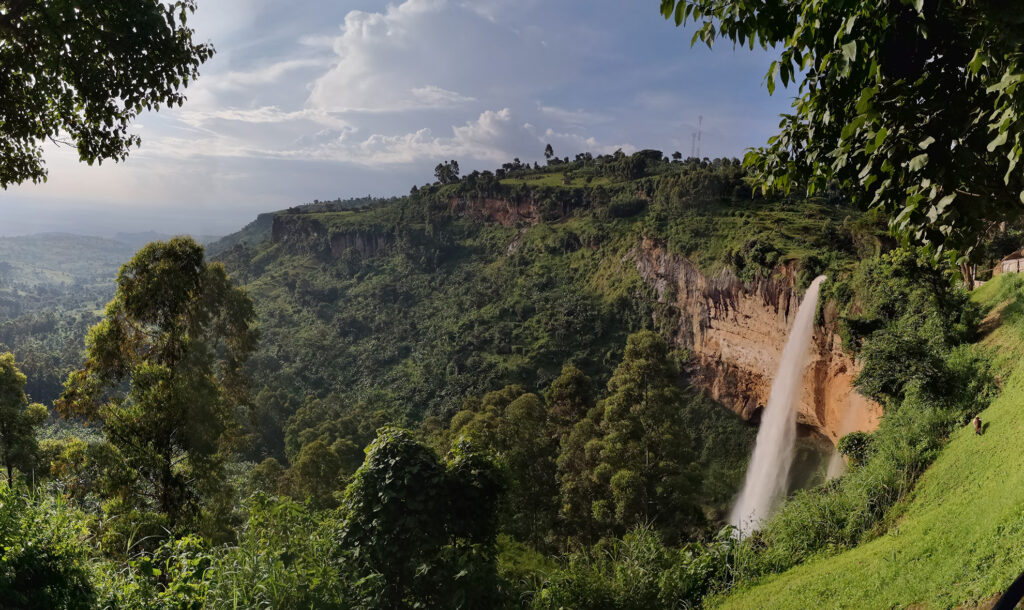
    With over 400 bird species, Mt. Elgon is a paradise for birdwatchers, especially those seeking forest-dwelling species. Another highlight of the park is a visit to the Sipi Falls, which provides an amazing display of nature. Additionally, the park offers various captivating activities, such as hiking. Visitors can embark on one of three short treks (3, 7, or 11 kilometres) through valleys, which are the most popular and do not require overly demanding physical fitness. These trails allow hikers to fully appreciate the breathtaking natural beauty as they wind through ridges, forests, and caves.

    For the more adventurous, climbing Wagagai Peak meets the expectations of even the most experienced mountaineers. This challenging journey, a compelling alternative to climbing Rwenzori or Kilimanjaro, requires a minimum of five days.

    The area also offers numerous cultural experiences, such as learning about Bagisu coffee cultivation and visiting the Nyero rock paintings, remnants of the region’s early inhabitants.

    In summary, Mt. Elgon and Sipi Falls provide a sensory feast for tourists, and their relatively low visitation rates enhance the enjoyment of this pristine nature.

    April 22, 2024
  • The Rwenzori mountains

    The Rwenzori mountains

    The Rwenzori mountain range ranks second-highest in Africa after the renowned Kilimanjaro. The Rwenzori National Park is overseen by the Uganda Wildlife Authority (UWA), which is charged with most of the nation’s parks. It has been recognized as a UNESCO World Heritage Site.

    Often referred to as “Mountains of the Moon,” these peaks reach a maximum elevation of 5,109 meters at Margherita Peak. Spanning along the Uganda-Democratic Republic of Congo border, ascending to the summit typically requires 7 to 9 days, depending on the chosen route.

    The landscapes of this range, adorned with perpetual snow, are truly breathtaking, boasting Africa’s largest glaciers, which distinguish them from other peaks on the continent like Kilimanjaro or Mount Kenya. On the western side of the Rwenzoris lies the Congolese section, known for its drier and more accessible terrain.

    The nearest city on the Ugandan side is Kasese, serving as the starting point for most ascent circuits, with some commencing in the popular small town of Nyakalengija. Rwenzori can be admired in Uganda’s Queen Elizabeth National Park and Congo’s Virunga National Park, particularly on clear, visibility days.

    Approximately 7,500 adventurers embark on journeys to conquer these peaks annually, often combining a trek in the Rwenzoris with exploring Uganda’s diverse park and wildlife offerings. Uganda boasts over half of the world’s mountain gorillas, making it one of the premier destinations for primate viewing and wildlife observation, showcasing an unparalleled richness in biodiversity.

    Because of the altitude and climate of the Rwenzoris, timing is everything when going on a trek there. Beyond physical fitness and equipment preparation, understanding the potential weather conditions is essential for a successful ascent. The optimal climbing windows typically fall between January and March and June and October. January-March tends to be colder, with greater chances of encountering snow at the summit.

    These months are generally recommended due to the dry season, though they coincide with peak tourist seasons, meaning more visitors are attempting the summit and exploring the country. Nonetheless, aiming for the dry season ensures favourable weather conditions, increasing the likelihood of reaching the coveted peak and maximizing the overall experience.

    April 22, 2024
  • Lake Mburo National Park

    Lake Mburo National Park

    Lake Mburo National Park, one of the smallest in the country and the closest to Kampala, the capital city, is located approximately 4 hours away. Situated between the towns of Masaka and Mbarara, it covers an area of 370 square kilometres.

    While Lake Mburo may not enjoy the same renown as the popular Murchison Falls or Queen Elizabeth, its beauty and biodiversity make it an equally captivating destination. Up to five lakes and a wide variety of wildlife can be found within its borders.

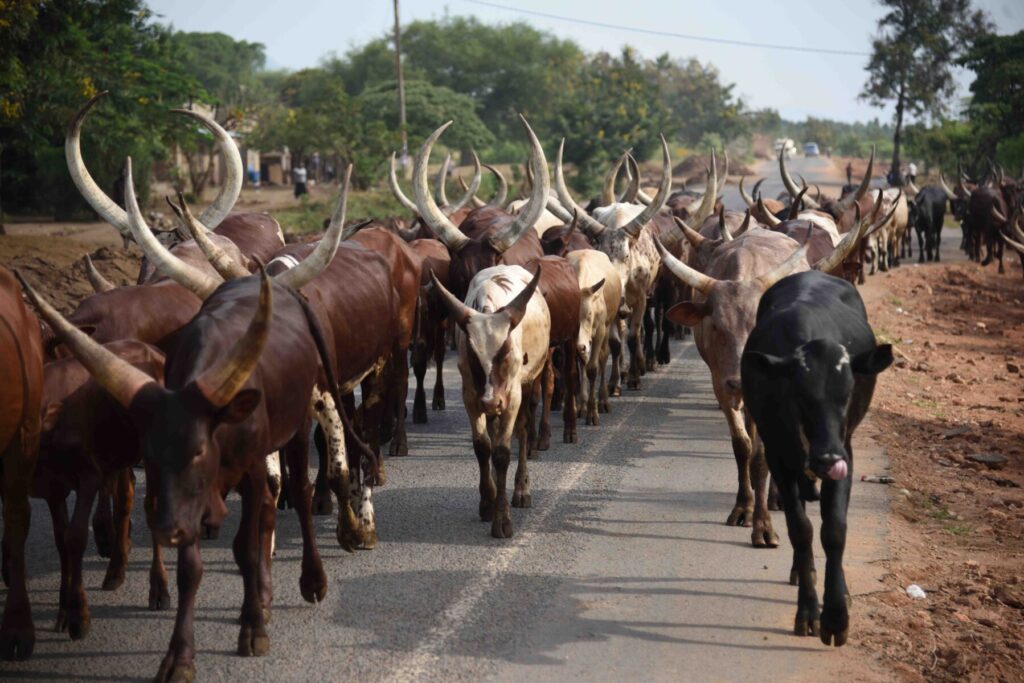
    The region surrounding the park is home to the Banyankole ethnic group, divided into two castes: the Bahima, nomadic herders, and the Bairu, farmers. For decades, the Bahima have utilized the park’s pastures to graze their cattle, known for their long horns (Ankole Watusi), leading to a drastic reduction in predators, which are now scarce.

    Despite having a few leopards that prey on smaller animals such as antelopes or monkeys, the balance between carnivores and herbivores has been disrupted, resulting in a notable increase in the herbivore population. The park is currently a haven for giraffes, buffaloes, elands, antelopes, zebras, oribis, topis, and warthogs.

    Boat safaris on the lake offer the opportunity to spot hippos, crocodiles, and many water birds. Additionally, the park is popular among birdwatchers, with around 350 bird species recorded.

    Because there are no predators, it is a great place for park ranger-led guided nature walks and other activities like horseback riding and cycling safaris. Vehicle safaris and boat trips are the most prominent activities for visitors.

    April 22, 2024
  • Mgahinga National Park

    Mgahinga National Park

    Mgahinga National Park, part of the Bwindi Conservation Area along with Bwindi National Park, is located in southwestern Uganda, covering an area of 34 square kilometres. Despite being the smallest park in the country, its position in the Virunga mountain range makes it a notable destination. With an elevation of 4,127 meters, it offers breathtaking views of the peaks and slopes of the volcanoes, as well as a diverse range of biological ecosystems.

    It is also a great place to track mountain gorillas; wildlife authorities (UWA) decide which areas of Mgahinga National Park or Bwindi National Park are open to visitors for this activity. In addition to this thrilling experience, the park provides opportunities for golden monkey tracking, bird watching, and hiking.

    It is worth noting that in Mgahinga, only one habituated gorilla family is accustomed to human presence, meaning that only one group of up to eight visitors can participate in the activity daily. With only around 80 gorillas estimated in the park, the encounter with these majestic primates is unique and exclusive.

    April 22, 2024
  • The Bwindi Impenetrable National Park

    The Bwindi Impenetrable National Park

    The Bwindi Impenetrable National Park and the Mgahinga National Park constitute the Bwindi Conservation Area. It is located in the country’s southwestern region, along the border with the Democratic Republic of Congo. It neighbours Virunga National Park on the other side of the border. Bwindi National Park spans over 32,000 hectares of rainforest, mountainous terrain, and lowlands.

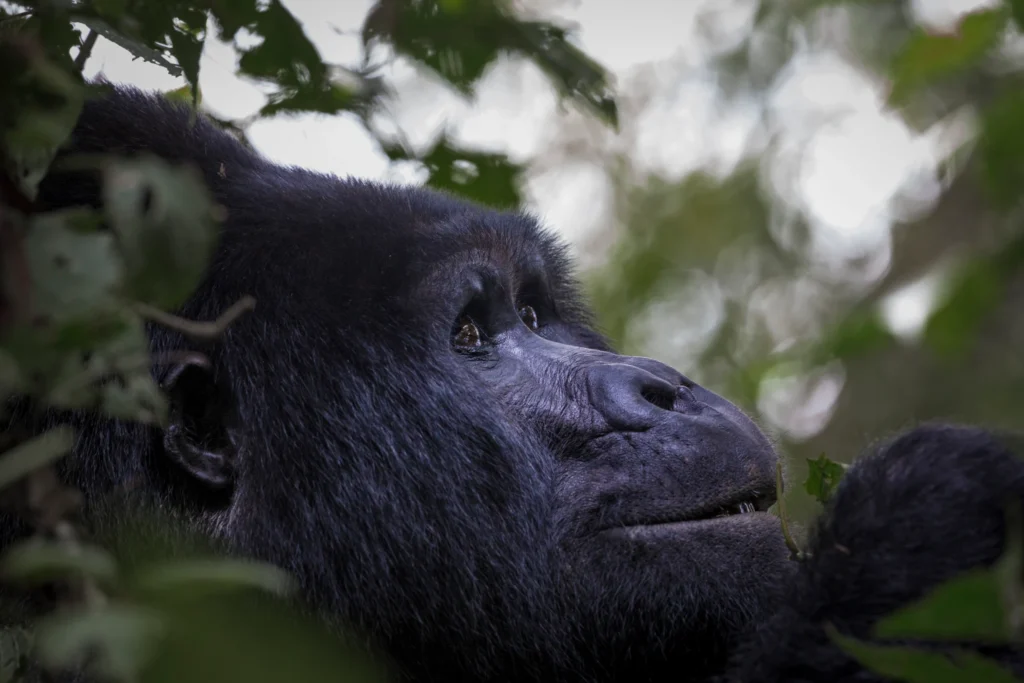
    This park fulfils every traveller’s expectation in Uganda: the opportunity to witness mountain gorillas, which is the primary reason many visit the country. Gorilla trekking, accessible only on foot, is meticulously regulated thanks to the efforts of the Uganda Wildlife Authority (UWA) and the rangers, who are true experts in gorilla behaviour.

    Bwindi, one of the planet’s greatest biological reserves, is home to over half of the world’s population of the majestic mountain gorilla (Gorilla beringei beringei). Fortunately, the population is growing, with about a thousand individuals still living in the wild, spread across the Congo, Rwanda, and Uganda. A dditionally, the park hosts several other primate species, including chimpanzees, black-and-white colobus monkeys, red colobus monkeys, red-tailed monkeys, mangabeys, l’hoest monkeys, and golden monkeys. Recognizing its significance, UNESCO designated Bwindi National Park as a World Heritage Site in 1994.

    Moreover, the park boasts 120 mammal species, 346 bird species, over 200 butterfly species, more than 160 tree species, 100 fern species, and around thirty species of amphibians and reptiles, some of which are endemic, such as Jackson’s chameleon.

    Bwindi National Park is divided into four sectors, or areas:

    Buhoma Area

    Located in the northern part of the park, Buhoma is the first area encountered when coming from Queen Elizabeth National Park. It was the initial site for gorilla habituation in Uganda, leading to the construction of top-tier accommodations. Consequently, the area features several high-quality lodges and is home to multiple habituated gorilla families, making it one of the park’s most popular sectors.

    Ruhija Area

    Also situated in the park’s north, Ruhija is reached while travelling towards Kabale town, departing from the north-south route. It hosts approximately five habituated gorilla families.

    Rushaga Area

    Located in the southern part of the park along the north-south route towards Kabale, Rushaga is home to at least six habituated gorilla families. One of these families is specifically prepared for long-duration habituation experiences, catering to researchers and photographers. This area boasts the highest number of habituated gorilla families in the park.

    Nkuringo Area

    Two gorilla families can be visited at Nkuringo, located in the southwest of the park and bordering Congo. While a third family crossed the border to Virunga National Park and settled in the neighbouring country, wildlife knows no boundaries.

    April 22, 2024
  • Maramagambo Forest

    Maramagambo Forest

    Maramagambo Forest covers a portion of Queen Elizabeth National Park, specifically its southern sector. It is a lush forest stretching from the Kichwamba escarpment to Lake Edward, located in the Busenyi district and bordered by two crater lakes: Lake Kyasanduka and Lake Nyamasingiri.

    Maramagambo Forest is renowned for its bat caves and for being home to a variety of primates, including chimpanzees, red-tailed monkeys, black-and-white colobus monkeys, l’Hoest’s monkeys, baboons, blue monkeys, and vervet monkeys, as well as nocturnal primates such as bush babies and pottos.

    Bird enthusiasts also find Maramagambo Forest ideal for observing rare birds, such as the Rwenzori Turaco.

    Within the forest, various activities and hikes can be undertaken:

    • Hiking along forest trails requires moderate physical fitness, as it involves ascending some hills.
    • The Kajojo River trail, approximately a one-hour walk covering about 2 km, is named after the elephants that often bathe in it.
    • Embarking on the Palm Trees hike, a roughly 5 km trek lasting about 2 hours, is suitable for all visitors due to its mostly flat terrain. During this hike, one can admire the beauty of various tree species, such as the Raphia palms or the dragon tree.
    • Take the Valley Trail, a hike of approximately 3.5 km and lasting about two hours, notable for the abundance of fascinating trees, such as the Viagra tree.
    • Exploring the waterfall trail is the longest hike at approximately 5 hours, covering a distance of around 11 km. This journey leads to the mountainous areas of Maramagambo Forest, traversing wetland terrain, and culminating at the Kilyantama Falls, locally known as “sheep falls.” Along this route, visitors can encounter trees like the “cloth figs,” used by locals to make traditional dresses, curtains, bags, and tablecloths.
    April 22, 2024
  • Ishasha

    Ishasha

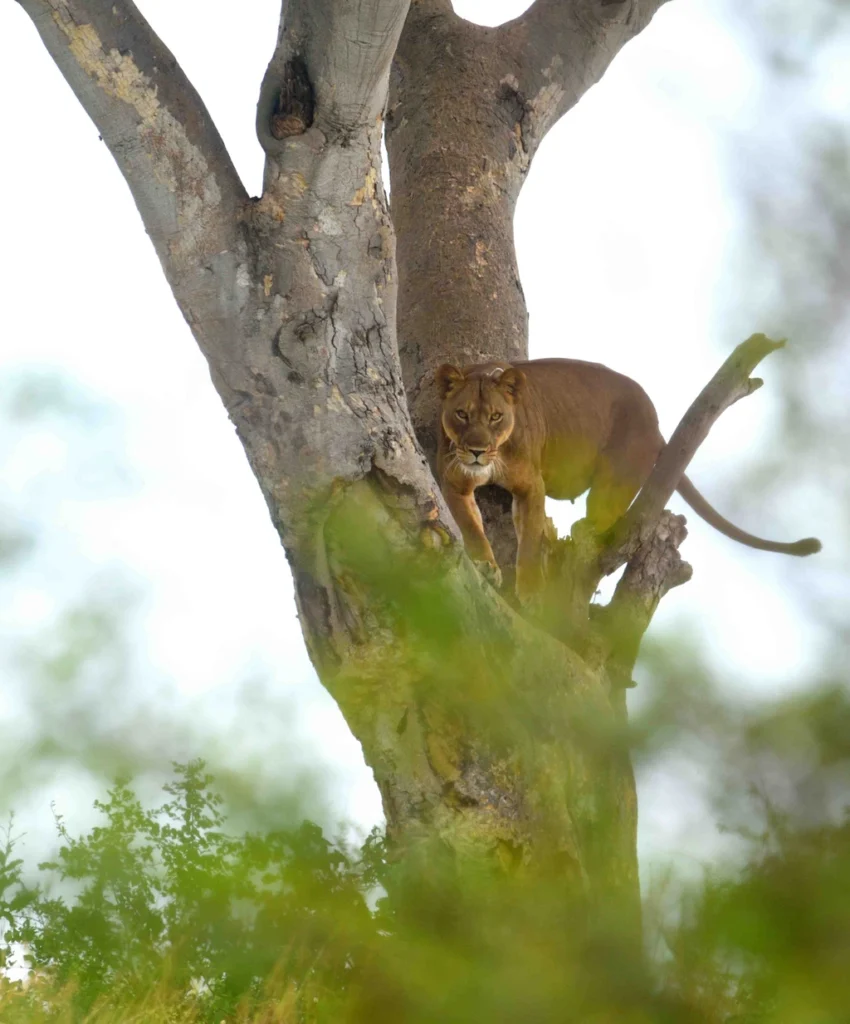
    Ishasha is within Queen Elizabeth National Park, about a 3-hour drive from the iconic Mweya Peninsula. This is where we dedicate time to searching for the famous “tree-climbing lions.” Although we prefer not to use this term, lions don’t climb; rather, they ascend with a leap onto a specific type of low-lying fig tree prevalent in the area, allowing them to reach its sturdy branches. It’s well-known that all felines, whenever possible, seek elevation—whether for a better vantage point, improved vigilance, or a peaceful rest away from ground-level dangers, be it on high rocks or any available perch affording a view of the horizon.

    There is a belief that lions only climb trees in Ishasha and Lake Manyara in Tanzania, but we have seen lions doing so in many other African locations, including Murchison Falls, on multiple occasions. There are numerous theories about why lions engage in this behaviour, all of which have some validity. Some suggest it’s to escape ground-level insects, including tsetse flies, commonly found in low-lying areas. Some suggest going higher to escape the heat and enjoy the breeze. However, the true reason remains unknown; we like to think that given the opportunity and suitable tree type, a feline will naturally seek elevation for many reasons.

    Furthermore, lions often climb trees at night to rest, especially after feasting on nocturnal hunts.

    The search for Ishasha’s lions is the primary reason for visiting this sector, although camping or stopping at the Ishasha River camping and picnic area is always delightful. The Ishasha River, serving as the natural physical border with Congo, is a fantastic spot to relax, have a meal, or even spend a night, as it’s home to many hippos.

    It’s worth noting that lions, oblivious to borders and national boundaries, sometimes cross the Ishasha River into neighbouring countries, rendering our efforts to find them futile. Such is the nature of nature; fortunately, it remains beyond our control.

    April 22, 2024
  • Kalinzu Forest

    Kalinzu Forest

    Kalinzu Forest is situated within Queen Elizabeth National Park, along the main road connecting Kasese to Mbarara, approximately 10 km from the Busenyi district in the western sector of Ishasha.

    It is one of the prime locations for chimpanzee tracking, rivalling the renowned Kibale National Park, indisputably the country’s best destination and home to the largest number of chimpanzee communities.

    The Kalinzu reserve harbours over 400 tree species and approximately 378 bird species, including the black-billed turaco. Moreover, it boasts six primate species, various reptiles, and over 200 butterfly species.

    The main activity in Kalinzu is chimpanzee tracking, with the reserve hosting a population of over 300 individuals, including around 40 that are part of a Japanese research project focused on habituating chimpanzees to human presence.

    In addition to chimpanzees, visitors can encounter baboons, black-and-white colobus monkeys, blue monkeys, l’Hoest’s monkeys, and red colobus monkeys within the reserve. Nighttime primate tracking is also possible, where galagos, bush babies, and pottos can be observed in the Kalinzu forest.

    In summary, visiting Kalinzu offers an excellent alternative for chimpanzee and primate observation. Its strategic location, just 10 km from Ishasha along the main road, makes it easily accessible without significant detours.

    April 22, 2024
  • Kyambura Gorge

    Kyambura Gorge

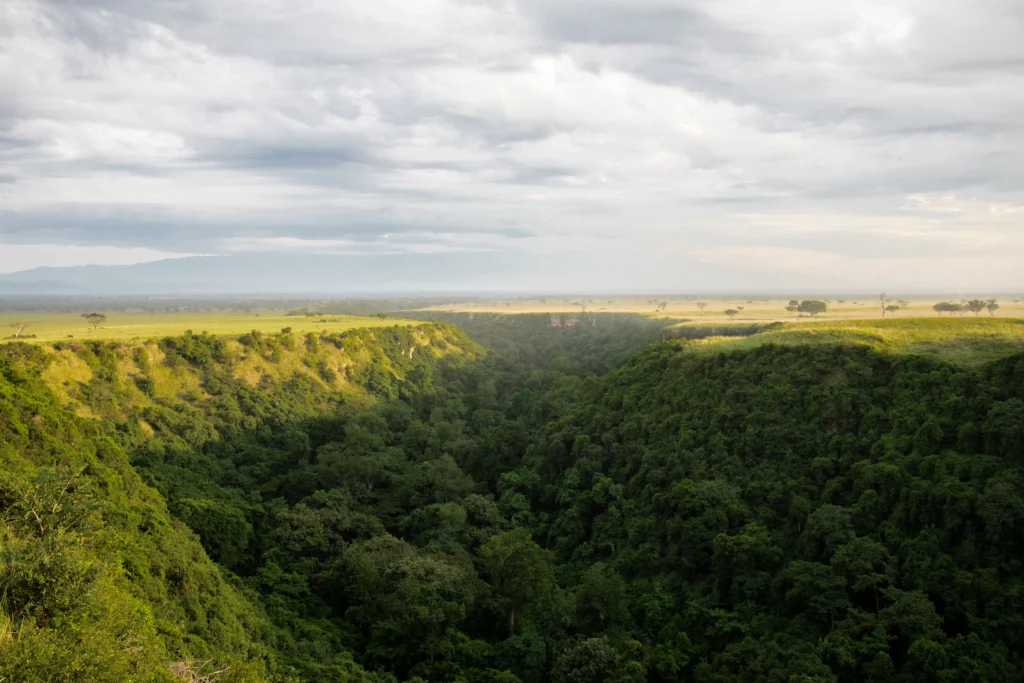
    Kyambura Gorge is a magnificent valley, about 100 meters deep, shaped like a rift amidst the savannah, located in the eastern part of Queen Elizabeth National Park. The Kyambura River’s drainage created this magnificent canyon. The landscape is undeniably stunning, offering views of tropical jungle amidst the savannah and positioned right on the equator line.

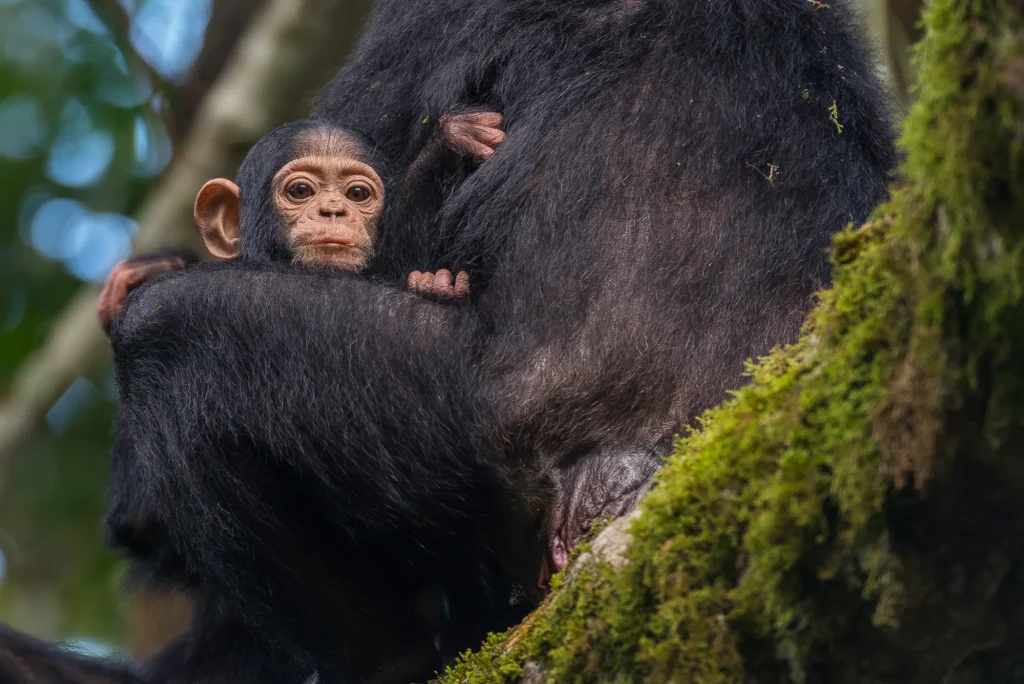
    There is a small chimpanzee population in the valley, probably no more than twenty. It is the only chimpanzee habitat in Queen Elizabeth National Park, which gives the Savannah safari experience something special.

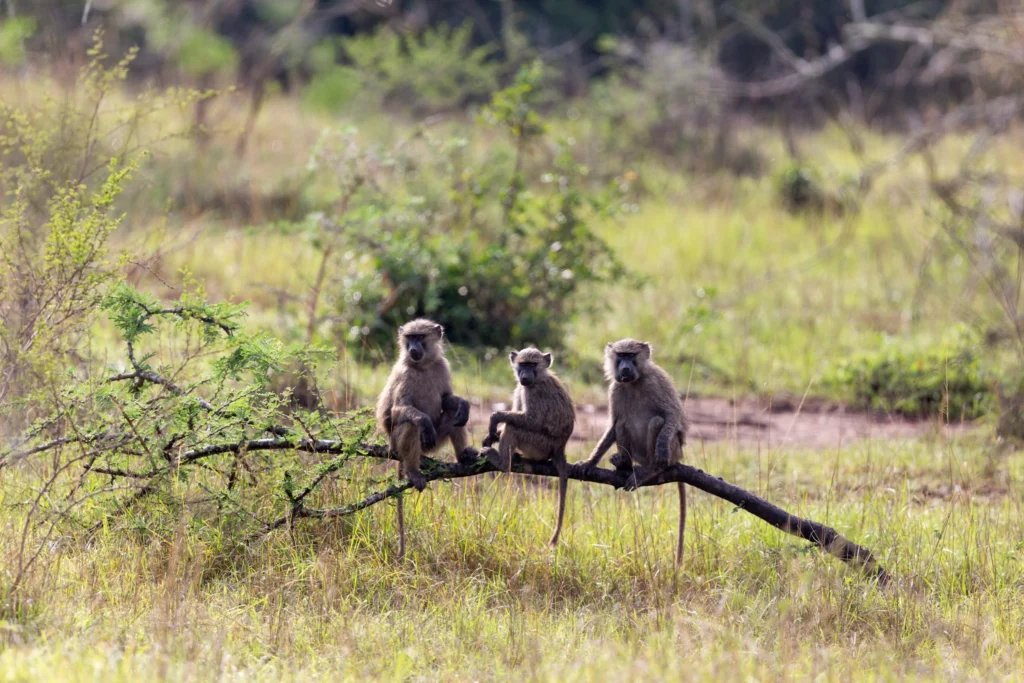
    In addition to chimpanzees, other primates that inhabit Kyambura Gorge include red-tailed monkeys, olive baboons, and black-and-white colobus monkeys. The variety of bird species is also remarkable, including flamingos, African skimmers, white-tailed larks, gonoleks, vereaux eagles, and the majestic owl.

    Exploring Kyambura Gorge is worth the time during a visit to Queen Elizabeth National Park, as it represents a hidden gem awaiting discovery.

    April 22, 2024
Previous Page
1 2 3 4 5
Next Page

Collaborators

Muafrika

Travel agency in Africa

agencias@muafrika.travel

  • Facebook
  • Instagram

Destinations

  • Uganda
  • Rwanda

Travel

  • Umoja

  • Safari Twende

  • Safari Twiga

  • Safari Mzuli

  • Safari Bakiga

  • group

  • in private

  • photo safari

Muafrika 2026

  • Legal Notice
  • Privacy Policy

Notifications